Monday brief
Paint Watercolor Sunflowers In Easy Steps
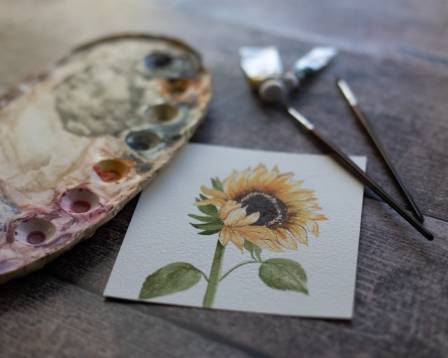
Vincent Van Gogh’s abstract sunflower paintings from the 1880s remain iconic and continue to inspire artists around the world. In this guide, we’ll explore how to capture the vibrant energy of sunflowers in a loose, expressive watercolor style using just a few essential colors.
Skyler Quinn
Desk note
Brief tip
The full sticky-note brief continues below on the Monday desk.
Board
Desk Notes
Vincent Van Gogh’s abstract sunflower paintings from the 1880s remain iconic and continue to inspire artists around the world. In this guide, we’ll explore how to capture the vibrant energy of sunflowers in a loose, expressive watercolor style using just a few essential colors.
Tools & Supplies
Brushes:
Princeton Round Detail Brush 9650R-2
Princeton Heritage Series 4050 Round Brush
Watercolor Essentials:
Watercolor palette
Binder clips (to secure individual sheets)
Adjustable desktop easel
Paint Colors:
Ultramarine Blue (Winsor & Newton / Daniel Smith)
New Gamboge (Winsor & Newton / Daniel Smith)
Burnt Umber (Winsor & Newton / Daniel Smith)
Paper:
Arches Cold Press Watercolor Block, 9” x 12”, 140 lb
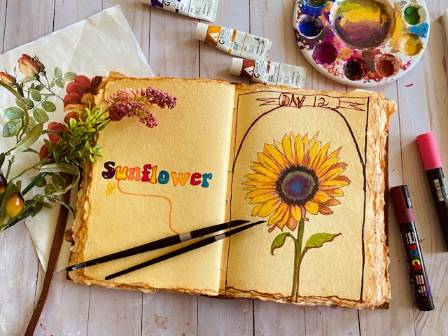
Step-by-Step: Painting Abstract Sunflowers
Step 1: Lay Down the Base Shapes
For a lively and spontaneous effect, work quickly. Pre-mix your colors and keep them in separate wells for convenience.
Mix a soft mid-green: 70% New Gamboge + 30% Ultramarine Blue, diluted to a thin, tea-like consistency.
Prepare a warm neutral for the sunflower centers: Burnt Umber + a touch of Ultramarine, cream consistency.
Tilt your paper about 30 degrees. Using the larger round brush, loosely paint three sunflower heads in New Gamboge. Focus on the general shapes, not individual petals. A springy synthetic brush works well for these organic forms.
Step 2: Paint the Stems
Using some of the pre-mixed green, add the stems. Allow the yellow flower to slightly blend with the green—natural color merging creates a lively effect. Avoid overworking the paint; a few confident strokes are enough.
Step 3: Add Leaves
Create a few leaf shapes along the stems, offset from each other rather than perfectly symmetrical. Connect them to the stems with thin lines.
Step 4: Build Up Stems and Leaves
Repeat the process for additional stems and leaves. Introduce darker green touches in some areas for depth and tonal variation.
This technique is called a variegated wash, where slight variations in hue mimic the natural diversity of color found in plants. It adds realism and visual interest.
Step 5: Paint the Flower Centers
Ensure the previous layers are mostly dry before moving on. Check the paper by lightly touching the back of your hand—if it feels cool, it’s still slightly wet.
Switch to a smaller detail brush and paint the seed clusters using the Burnt Umber + Ultramarine mix. The Ultramarine cools the brown slightly, giving a warm neutral that contrasts beautifully with the yellow petals.
Step 6: Shade the Petals
Once the centers are complete, glaze the petals with thin layers of New Gamboge to add dimension. Watercolor is transparent, so each glaze deepens the color of the underlying layer naturally.
By following this approach, you’ll create a lively, abstract sunflower painting that captures the essence of the flower without getting lost in minutiae. Loose shapes, wet-on-wet blending, and subtle variegated washes combine to make a dynamic and vibrant watercolor piece.
More from this board
NOTE · en
The Beauty of Crevice Gardens
Who hasn’t been amazed by a dandelion pushing through a small sidewalk crack or a tree surviving on a rocky cliff? These examples remind us that plants can adapt to environments that seem impossible for growth. Many species have evolved to live in harsh conditions, and the combination of delicate foliage and flowers against rugged stone creates a unique visual effect. Crevice gardening gives gardeners the opportunity to recreate these natural scenes while experimenting with an unusual and artistic style of planting.
NOTE · en
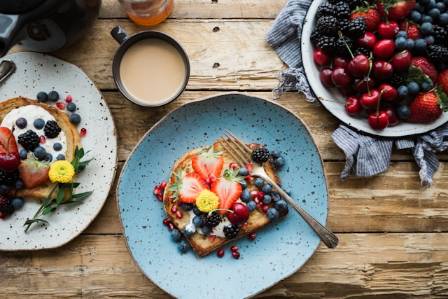
Fruit Toast Recipe
Fruit toast is an easy, wholesome, and flavorful breakfast that’s perfect for hectic mornings. With endless combinations of fruits and toppings, this recipe makes it simple to enjoy a fresh and nutrient-rich meal at the start of the day.
NOTE · en
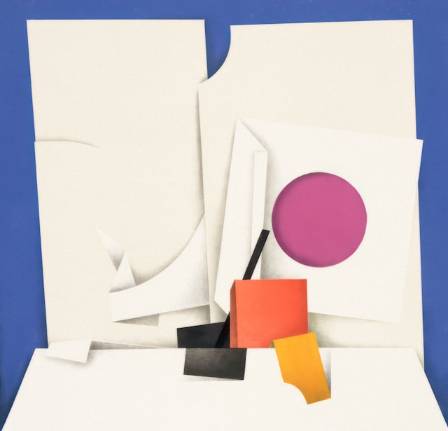
12 Papercut Artists Worth Discovering
Searching for creative spark in the craft of papercutting? Dive into the portfolios of these 12 talented papercut artists and marvel at their exquisitely detailed creations. Papercutting (alternatively spelled paper cutting) is the art of crafting designs from paper. This form of paper art has evolved globally, adapting to diverse cultural aesthetics across different regions. At its core, papercutting is about tapping into a more instinctive mode of creation—playing, experimenting, and improvising with nothing more than paper, a pair of scissors, and your own imagination.
NOTE · en
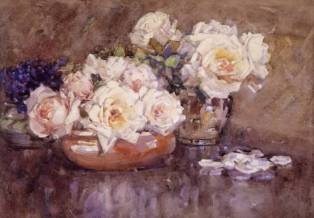
Watercolor Flowers Made Easy
I have a real love for painting flowers with watercolor. Many people are surprised by how bright, dimensional, and lifelike watercolor florals can appear, and I’m often asked how I achieve that effect.
NOTE · en
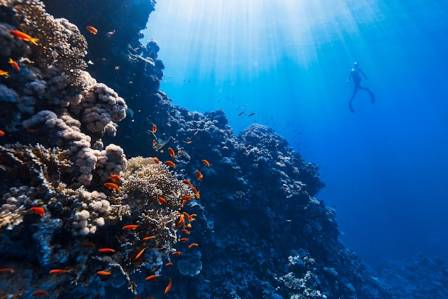
The Great Barrier Reef: A Natural Wonder Facing Change and Recover
Australia’s Great Barrier Reef is one of the planet’s most extraordinary natural treasures. This vast underwater ecosystem covers an area comparable to a small nation and contains an incredible variety of marine habitats, colorful coral communities, and unique ocean life.
NOTE · en
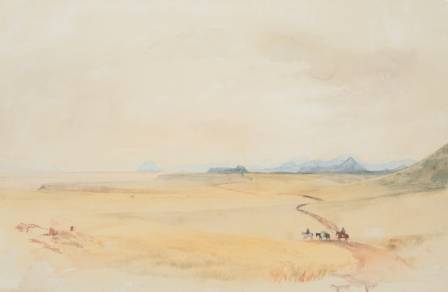
Master Class: Techniques for Painting a Desert Landscape
Capturing the essence of a vast, arid desert requires more than just sand-colored paint; it involves mastering the interplay of light, rugged textures, and the iconic silhouettes that define this environment. This guide focuses on the foundational techniques for creating a realistic and compelling desert foreground and mid-ground using acrylics.