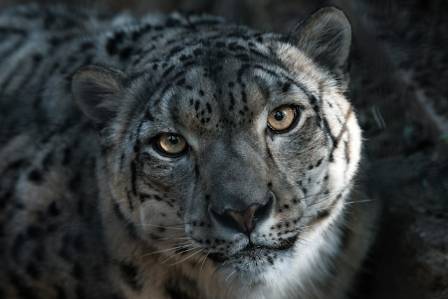
Snow Leopards Have Extremely Low Genetic Diversity, New Study Reveals

Monday brief

Snow Leopards Have Extremely Low Genetic Diversity, New Study Reveals

A new scientific study suggests that snow leopards have likely always existed in relatively small numbers, which may increase their vulnerability to future environmental changes.

A

Arthur

Desk note

Brief tip

The full sticky-note brief continues below on the Monday desk.

Board

Desk Notes

A new scientific study suggests that snow leopards have likely always existed in relatively small numbers, which may increase their vulnerability to future environmental changes.
Published on October 7 in Proceedings of the National Academy of Sciences, research led by Stanford University scientists discovered that these elusive big cats possess very limited genetic diversity. The global population of snow leopards is estimated to be fewer than 8,000 individuals, and they are highly specialized for survival in the harsh, high-altitude environments of Central and South Asia.
Snow leopards inhabit remote mountain landscapes across 12 Asian countries, including Russia, Afghanistan, Nepal, and Tibet. Unlike many other large cats that have suffered from extensive human disturbance, snow leopards have traditionally lived in isolated regions with relatively little direct human interference.
However, their small population size and restricted habitat make them poorly prepared for rapid environmental changes.
“Snow leopards have fewer individuals and limited genetic variation, which means they may have fewer options when facing future challenges,” researchers explained.

Genetic Secrets of a Rare Mountain Predator

The study revealed that snow leopards developed low genetic diversity because their populations remained small and stable over a very long period of time.
This differs from other large cats, such as cheetahs and Florida panthers, which experienced severe population declines known as genetic bottlenecks. These sudden reductions in population size caused dramatic losses of genetic diversity.
Before this research, scientists had very limited information about snow leopard genetics. Only four snow leopard genomes had previously been fully analyzed.
The new study greatly expanded this knowledge by examining genetic information from 41 snow leopards, including:
35 wild individuals;
6 individuals from zoos around the world.
Collecting enough samples required years of international cooperation among researchers, conservation organizations, and wildlife authorities from 11 countries. Blood and tissue samples were analyzed at Stanford University.
Researchers led by Stanford biologist Dmitri Petrov and scientist Katie Solari discovered that snow leopards not only have low genetic diversity but also show a relatively low homozygous load.
This means that when individuals inherit genes from both parents, they are less likely to carry two copies of harmful genetic mutations.
The researchers suggest that snow leopards may have naturally removed many harmful mutations from their population over generations. Individuals carrying damaging genetic traits may have been less likely to survive or reproduce, allowing the population to maintain relatively good health despite its small size.

A Small Population That Has Survived for Thousands of Years
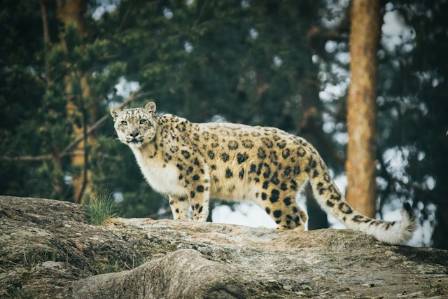
Unlike cheetahs, which suffered rapid population crashes, snow leopards appear to have maintained a naturally small population throughout their evolutionary history.
Cheetahs experienced severe genetic bottlenecks in the past, causing reduced genetic diversity and increasing problems such as lower reproductive success and greater vulnerability to diseases.
Snow leopards, however, have remained relatively healthy despite their limited numbers. Their historical isolation and natural selection may have helped remove harmful mutations from the population.
Nevertheless, scientists warn that this does not guarantee their future survival.
Although human expansion has had less impact on snow leopards because they live in remote mountain regions, climate change represents a growing threat.
Their specialized habitat, consisting of cold and dry mountain environments, is highly sensitive to changes in temperature and ecosystem conditions.
Researchers emphasize that climate change can affect even the most isolated species because environmental shifts do not require direct human presence to cause damage.

Future Research and Conservation Challenges
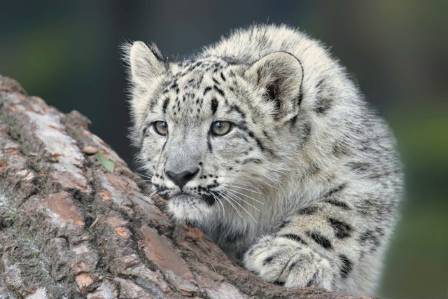
Although this study provides important new information about snow leopard genetics, scientists believe further research is still necessary.
Researchers are continuing to collect and analyze additional samples to better understand genetic patterns across the species’ entire geographic range.
The team has also developed a new genetic technique that allows scientists to study wild snow leopard populations using fecal samples. This method makes it possible to gather valuable genetic information without capturing or sedating animals.
The technology was created through Stanford’s Program for Conservation Genomics, which applies advanced genetic methods originally developed for human and laboratory research to wildlife conservation.
These genetic tools can help scientists better monitor snow leopard populations and design more effective conservation strategies.

The Snow Leopard’s Role in Mountain Ecosystems

Snow leopards are considered a keystone species because they play an important role in maintaining the balance of mountain ecosystems.
Their main prey includes mountain ungulates such as:
Tibetan blue sheep;
Siberian ibex;
They also hunt smaller mammals, including pikas.
Because snow leopards sit near the top of the mountain food chain, their decline could indicate broader ecological problems.
Scientists warn that if their fragile habitats continue to deteriorate, snow leopards could disappear relatively quickly because their total population is already very small and there are limited suitable environments available for them.
Protecting snow leopards therefore means protecting the entire high-altitude ecosystem they represent.

More from this board

NT

NOTE · en

Ten Foundational Masterpieces of Historical Oil Painting

Ten Foundational Masterpieces of Historical Oil Painting

Oil painting, with its rich history and versatile nature, has served as the primary medium for many of the Western world's most celebrated artists. These masters not only defined artistic movements but also expanded the technical and expressive possibilities of paint itself. The following ten works represent pivotal moments in art history, each demonstrating a unique approach to the medium that continues to inspire artists today.

NT

NOTE · en

Bridal Bouquet Style Guide

Bridal Bouquet Style Guide

Throughout centuries, wedding flowers have carried meaningful symbolism, representing fertility, fresh beginnings, love, and happiness in marriage. This custom can be traced back to ancient Greece and Rome, where brides wore or carried floral crowns and arrangements to express hopes for a joyful and prosperous union.

NT

NOTE · en

The Most Enduring Bridge: Seven Essentials About the Golden Gate Landmark

The Most Enduring Bridge: Seven Essentials About the Golden Gate Landmark

Few structures captivate the imagination like the Golden Gate Bridge. An engineering marvel born from the hardship of the Great Depression, it has become a symbol not only of San Francisco but of American ingenuity and ambition. This refreshed look explores seven reasons why the Golden Gate Bridge remains a landmark in history, culture, and design.

NT

NOTE · en

Classic Tiramisù Recipe

Classic Tiramisù Recipe

The name itself translates as “lift me up,” and while espresso plays a role, the true uplifting element is the cream. Mascarpone cheese blended with egg yolks and sugar is whipped into a silky, airy mixture that is rich enough to hold its form yet soft enough to dissolve on the tongue. Few desserts have traveled from a single Italian origin to global fame with so little change to their identity.

NT

NOTE · en

Learn to Draw a Giant Panda

Learn to Draw a Giant Panda

Giant pandas are beloved animals, instantly recognizable by their black-and-white coloring, round bodies, and unique facial markings. If you’ve ever wanted to draw a panda, this guide will take you through the process in five simple steps. Along the way, you’ll learn key features that make pandas look realistic and fun facts about their anatomy to add authenticity to your artwork.

NT

NOTE · en

Top Ten Small Islands

Top Ten Small Islands

By “small islands,” I mean extremely small landmasses—generally under 5,000 acres (around 8 square miles), though most of the islands I personally chose are far smaller than that. All of them are marine islands surrounded by water.