Monday brief
Learn to Draw a Giant Panda
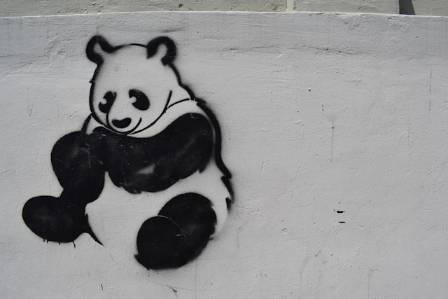
Giant pandas are beloved animals, instantly recognizable by their black-and-white coloring, round bodies, and unique facial markings. If you’ve ever wanted to draw a panda, this guide will take you through the process in five simple steps. Along the way, you’ll learn key features that make pandas look realistic and fun facts about their anatomy to add authenticity to your artwork.
Dakota Flynn
Desk note
Brief tip
The full sticky-note brief continues below on the Monday desk.
Board
Desk Notes
Giant pandas are beloved animals, instantly recognizable by their black-and-white coloring, round bodies, and unique facial markings. If you’ve ever wanted to draw a panda, this guide will take you through the process in five simple steps. Along the way, you’ll learn key features that make pandas look realistic and fun facts about their anatomy to add authenticity to your artwork.
Why Drawing a Panda is Fun
Pandas are playful, adorable, and simple to sketch, making them perfect for beginners. Learning to draw a panda helps improve your observation skills, attention to detail, and patience. Even if you’ve never drawn animals before, you can create a charming panda with just a few basic shapes.
Materials You’ll Need
Pencil (any kind will work, a standard #2 is ideal)
Eraser for correcting mistakes
Paper (printer paper works fine)
Black and white coloring supplies (colored pencils, markers, or crayons)
Optional: fine-tip black pen or marker for outlining

Step 1: Draw the Basic Body Shape
Start with a large oval for the body, slightly tilted to one side. Make the bottom of the oval wider than the top to create a pear-shaped body. This shape is more realistic than a perfect circle and reflects the panda’s rounded back and broad shoulders.
Next, draw a circle on top for the head. The head should be about one-third the size of the body. Slight imperfections are fine — panda faces are not perfectly circular.
Tip: Keep the body shape pear-like, not completely round. It gives your drawing a natural, realistic look.
Step 2: Add the Ears and Legs
Ears: Draw two small rounded shapes on top of the head. Panda ears are circular and stick out slightly to the sides. Keep them relatively small compared to the head.
Front Legs: Draw two thick, curved shapes extending down from the upper body. Panda front legs are strong and muscular.
Back Legs: Sketch two larger shapes at the lower sides of the body. When sitting, pandas’ back legs spread outward.
Feet: Draw flat, rounded feet with 3–4 toes for realism.
Tip: The front legs are mostly black from shoulder to paw, while the back legs often show a mix of black and white.
Step 3: Draw the Face Details
Eye Patches: Draw two tilted ovals around the eyes. They should slope slightly downward toward the nose. Eye patches are unique to each panda.
Eyes: Draw small circles inside each patch with a tiny highlight to make the eyes look shiny and alive.
Nose: Add a small dark triangle or rounded diamond below the eyes.
Mouth: Draw a small curved line beneath the nose. This gives your panda a gentle, friendly expression.
Tip: Panda eye patches act like natural identifiers — no two pandas have identical markings.
Step 4: Add Features That Make It Realistic
Pseudo-Thumb: Draw a small bump on the inside of each front paw to represent the panda’s special wrist bone, which helps it hold bamboo.
Black “Vest” Pattern: Color the shoulders and front legs black. This black fur often wraps across the upper back like a vest. The belly and lower back remain white.
Fur Texture: Use short, light strokes along the edges of the body to suggest thick, shaggy fur.
Nose Details: Add tiny dots above the nose to represent nostrils.
Optional Bamboo: Draw a bamboo stalk in one paw, held diagonally, with a few leaves at the top. Pandas usually hold bamboo at an angle, not straight up.
Tip: Adding curved lines to the back and shoulders can suggest the panda’s thick, slightly water-resistant fur.
Step 5: Color Your Panda
Black Areas:
Ears
Eye patches
Shoulders and front legs (“vest”)
Back legs from hip down
White Areas:
Face (except eye patches and nose)
Belly and chest
Lower body
Details:
Color the nose dark gray or black
Add a touch of pink inside the ears
Leave a small white highlight in each eye
Color the bamboo green if included
Common Mistakes to Avoid
Making eye patches perfectly round — they should slope toward the nose.
Drawing pointy ears — panda ears are small and rounded.
Coloring the entire body black — only certain areas are black.
Forgetting the pseudo-thumb — it’s a key detail that makes your panda anatomically correct.
Holding bamboo straight — pandas eat it at an angle.
Show Off Your Panda
Once your drawing is complete, you can:
Hang it on your wall or refrigerator
Take a photo and share it with friends or family
Give it as a gift to a panda lover
Start a panda drawing series — try drawing baby pandas, pandas climbing trees, or pandas eating bamboo
Drawing Challenges
Baby Panda: Draw a smaller panda with a larger head and shorter legs.
Action Panda: Illustrate a panda climbing, rolling, or napping.
Panda Family: Draw a group of pandas with slightly different eye patches to show individuality.
Every panda you draw is unique — just like real pandas! Keep practicing, and each one will get better than the last.
More from this board
NOTE · en

Chongqing's Ultimate Thrill: Raffles City Skywalk
Chongqing is a city unlike almost anywhere else in the world. Often called the “mountain city” or “3D city,” it is built among mountains and waterways, with roads and buildings arranged across dramatically different elevations. After dark, the city becomes an extraordinary display of lights and towering structures that creates a scene difficult to find anywhere else.
NOTE · en

Discover 7 Places Snow All Year Round in the U.S.
Looking to escape the heat this summer and find snow even when it's warm elsewhere? Surprisingly, several U.S. destinations offer just that — snowfields or icy high-altitude terrain that remain well into the warmer months. The article highlights rugged mountain landscapes where winter lingers long, and for some, it never fully ends.
NOTE · en
Volcanoes in Washington State: What to Know
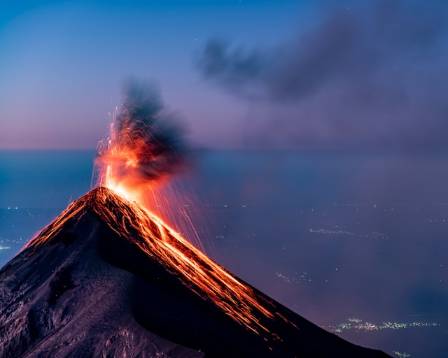
A volcano is an opening in Earth’s crust through which magma, rocks, ash, and gases erupt from beneath the ground. Over many eruptions, these materials pile up and form a volcanic mountain.
NOTE · en
Montane Forests of the Southwest
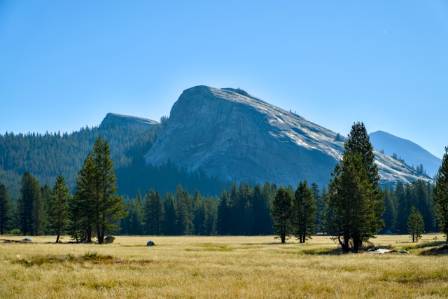
The American Southwest is often imagined as a dry landscape dominated by vast deserts, with only major urban areas such as Phoenix, Tucson, and Albuquerque standing out among the surrounding wilderness. While this perception is partly accurate, the region also contains cooler and wetter environments found at higher elevations, including mountain ranges and elevated plateaus.
NOTE · en

Clay Sculpting Guide: Detailed Techniques for Hollow Figure Construction
When creating human figures from clay, mastering specific structural techniques is essential to ensure the piece can be safely fired in a kiln. Unlike solid sculptures, ceramic figures must be hollow to allow for even heating and to prevent explosions caused by trapped moisture. This tutorial, inspired by Leonardo da Vinci’s masterpiece Lady with an Ermine, breaks down the ceramic sculpting process from the torso to the base.
NOTE · en

8 Fascinating Sunflower Facts
When you picture a sunflower, you might imagine a tall, bright yellow flower standing under the sun. But sunflowers are far more diverse and interesting than their classic image suggests. From their colors and behavior to their history and health benefits, these vibrant plants have many surprises. Here are eight fascinating facts about sunflowers that will deepen your appreciation for this remarkable flower.