
Monday brief
World eating too much sugar
The detrimental effects of excess sugar intake on cardiovascular health cannot be overstated. It is crucial to gain insight into managing sugar consumption.
Jackson Miles
Desk note
Brief tip
The full sticky-note brief continues below on the Monday desk.
Board
Desk Notes
The detrimental effects of excess sugar intake on cardiovascular health cannot be overstated. It is crucial to gain insight into managing sugar consumption.

Sugar carries a somewhat ambivalent reputation regarding health. Natural sugar is intrinsic to foods containing carbohydrates, encompassing fruits, vegetables, grains, and dairy. The consumption of whole foods with natural sugar is generally acceptable, given that plant-based foods supply essential minerals, fiber, and antioxidants, while dairy products provide protein and calcium. These foods release sugar gradually during digestion, furnishing a steady energy source to cells. High intake of fruits, vegetables, and whole grains has even been linked to a reduction in the risk of chronic ailments such as diabetes, heart disease, and certain cancers.
However, problems arise when excessive added sugar is consumed. Added sugar refers to sugar integrated into products by manufacturers for taste enhancement or prolonged shelf life. In the American diet, prominent sources of added sugar include soft drinks, flavored yogurts, fruit drinks, cookies, cakes, cereals, candy, and a host of processed foods. Remarkably, added sugar may also be concealed in seemingly unsweetened items, including soups, bread, ketchup, and cured meats.
The upshot is that excessive added sugar intake has become commonplace. On average, adult men ingest around 24 teaspoons of added sugar daily, as per the National Cancer Institute, which equates to 384 calories.
"Excess sugar's impact on obesity and diabetes is well documented, but one area that may surprise many men is how their taste for sugar can have a serious impact on their heart health," says Dr. Frank Hu, professor of nutrition at the Harvard T.H. Chan School of Public Health.
Impact on Heart Health

A study published in 2014 in JAMA Internal Medicine by Dr. Hu and his team revealed a connection between a high-sugar diet and an elevated risk of succumbing to heart disease. Over a 15-year period, individuals whose caloric intake from added sugar ranged from 17% to 21% experienced a 38% greater risk of death due to cardiovascular disease compared to those with only 8% of their calories originating from added sugar.
Dr. Hu emphasizes, "The more added sugar consumed, the greater the risk of heart disease."
Although the precise manner in which sugar affects heart health remains partially unclear, it seems to manifest through various indirect pathways. For instance, excessive sugar loads the liver, metabolizing sugar similarly to alcohol. It transforms dietary carbohydrates into fat over time, which could lead to fatty liver disease—a contributor to diabetes, thereby escalating the risk of heart disease.
Excessive added sugar intake can elevate blood pressure and incite chronic inflammation, both of which serve as pathological routes to heart disease. Moreover, the overconsumption of sugar, particularly in sugary beverages, results in weight gain, as it tricks the body into disabling its appetite-control system. Liquids are less satiating than solid foods, making it easier for individuals to introduce extra calories into their regular diets when consuming sugary beverages.
"The effects of added sugar intake—higher blood pressure, inflammation, weight gain, diabetes, and fatty liver disease—are all linked to an increased risk for heart attack and stroke," says Dr. Hu.
Determining an Acceptable Amount
Ascertaining the precise volume of acceptable daily added sugar intake is challenging since sugar is not a mandatory nutrient in your diet. The Institute of Medicine, responsible for establishing Recommended Dietary Allowances (RDAs), has not established a formal figure for sugar.
Nonetheless, the American Heart Association suggests that women should consume no more than 100 calories (approximately 6 teaspoons or 24 grams) of added sugar daily, while men should limit their intake to 150 calories (about 9 teaspoons or 36 grams). This closely resembles the amount of sugar found in a 12-ounce can of soda.
Reducing Added Sugar
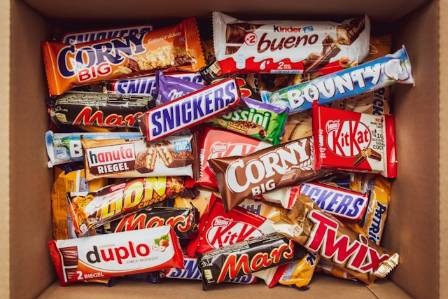
To manage added sugar intake, closely scrutinizing food labels is imperative. Be on the lookout for the following terms indicative of added sugar and consider either minimizing the quantity or frequency of items containing them: Brown sugar, Corn sweetener, Corn syrup, Fruit juice concentrates, High-fructose corn syrup, Honey, Invert sugar, Malt sugar, Molasses, Syrup, Sugar molecules ending in "ose" (e.g., dextrose, fructose, glucose, lactose, maltose, sucrose)
Often, total sugar, inclusive of added sugar, is denoted in grams on labels. Pay attention to both the sugar content per serving and the total number of servings. Dr. Hu advises that although it might specify 5 grams of sugar per serving, if the standard serving size amounts to three or four servings, you could potentially consume 20 grams of sugar, signifying a substantial intake of added sugar.
In addition to scrutinizing labels, monitor the sugar you incorporate into your diet. About half of added sugar is introduced through beverages, encompassing coffee and tea. A study from May 2017 in Public Health unveiled that two-thirds of coffee consumers and one-third of tea drinkers include sugar or sugary additives in their drinks. The research also noted that over 60% of the calorie content in their beverages originated from added sugar.
Nevertheless, Dr. Hu urges caution when attempting to significantly reduce added sugar, as it can have adverse repercussions. "You may find yourself reaching for other foods to satisfy your sweet cravings, like refined starches, such as white bread and white rice, which can increase glucose levels, and comfort foods high in saturated fat and sodium, which also cause problems with heart health," he says.
More from this board
NOTE · en

Cruising with a Smaller Boat
She is small, but she is incredibly strong. I have to remind myself of that constantly. It is easy to forget when you are alone hundreds of miles from land, with waves breaking over the deck and seawater washing across the boat.
NOTE · en

The Profound Influence of Technology on Your Everyday Life
In the year 2023, technology permeates nearly every facet of our daily existence, ushering in a multitude of transformations across various domains. From the realms of transport efficiency, food accessibility, and healthcare to socialization, productivity, and the ease of learning, technology has left an indelible imprint on our world. It has not only made knowledge more accessible but has also fostered the organic formation of global communities on the internet.
NOTE · en

Mori Style Clothing: The Calm of Nature in Fashion
Mori style, which means “forest style” in Japanese, is a fashion movement that started in Japan around 2006. This charming look celebrates a bond with nature, simplicity, and a slower way of living. Let’s take a closer look at the main elements of mori style and how you can add them to your wardrobe.
NOTE · en

Crafting Lifelike Felt Animal Figures: A Comprehensive Beginner’s Guide
Creating realistic needle-felted animals is a rewarding artistic journey that transforms loose wool into expressive, three-dimensional sculptures. Many beginners wonder how artists achieve such a high level of detail and lifelike character. By mastering the right combination of wool types, needle gauges, and structural techniques, anyone can learn to sculpt adorable animal figures with precision and personality.
NOTE · en

Essential Facts About the Endangered Grévy's Zebra
The Grévy's zebra is a striking and unique member of the equine family. While many are familiar with their iconic stripes, there is much more to these animals than meets the eye. From their historical royal namesake to their remarkable physical capabilities, understanding these creatures is vital to supporting their continued existence in the wild.
NOTE · en

LED Technology Illuminates Cities: 20 Iconic Displays Worldwide
Boasting low energy use, intense luminosity, and vivid visual performance, LED technology is transforming architectural designs into urban landmarks and striking landscapes. Countless city skyscrapers have practically become emblems of modern LED display tech, serving to enhance urban aesthetics while showcasing commercial advertisements and coverage of major events. In this piece, we’ll highlight 20 renowned LED displays across the globe that have notably reshaped their respective cities and the daily lives of their inhabitants.