
Monday brief
Hamsters: From the Wild to Your Bedroom
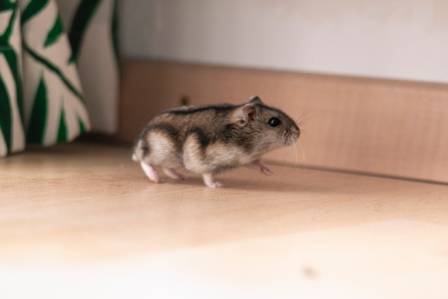
With its swollen cheeks, aggressive growls, and fearless attitude toward threats like barn cats, the black-bellied hamster is very different from the gentle pet hamster often kept at home. Its bold behavior is not just for show—it is a survival strategy. In France, where only about 500 to 1,000 of these animals are believed to remain in the wild, these determined little rodents are struggling to survive.
Madison Cole
Desk note
Brief tip
The full sticky-note brief continues below on the Monday desk.
Board
Desk Notes
With its swollen cheeks, aggressive growls, and fearless attitude toward threats like barn cats, the black-bellied hamster is very different from the gentle pet hamster often kept at home. Its bold behavior is not just for show—it is a survival strategy. In France, where only about 500 to 1,000 of these animals are believed to remain in the wild, these determined little rodents are struggling to survive.
The Origins of the Pet Hamster
One of the most popular pet hamster species in North America and Western Europe is the Syrian hamster, also known as the golden hamster. This species was first discovered in the wild in 1797.
So how did a wild hamster from the Middle East become a familiar pet found in homes, schools, and classrooms around the world?
The answer lies with zoologist Israel Aharoni. During an expedition in 1930 to search for golden hamsters, Aharoni and a local guide called Sheikh El-Beled discovered a female golden hamster and her 11 babies living about 8 feet (2.4 meters) underground beneath a wheat field.
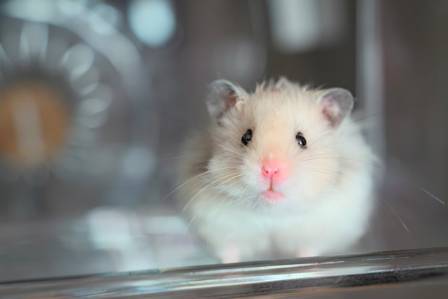
How Golden Hamsters Became Worldwide Pets
Aharoni transported the hamsters back to the Hebrew University of Jerusalem, where they began breeding successfully. Their population increased rapidly, and they were soon introduced to universities, zoos, and eventually private homes around the world.
Today, golden hamsters are among the most widely kept pet hamsters, while only a small number continue to exist in their natural habitats.
A Closer Look at Hamsters
There are more than 20 species of hamsters, and they are closely related to other small rodents such as voles, lemmings, and mice. Although many species exist in the wild, only about five types are commonly kept as pets.
Wild hamsters can be found across many regions of Europe and Asia. These animals are nocturnal, meaning they are most active after dark.
Hamsters have very poor eyesight, but they rely on their excellent sense of smell, sensitive touch, and whiskers to explore their surroundings and find their way. The black-bellied hamster and the familiar household hamster may look different, but both share many of the same fascinating adaptations that help them survive.
More from this board
NOTE · en

Timeless Classic Coupes
Some cars shine when new but fade as the years pass. Others improve with time, earning admiration, charm, and even collectible value. The most exceptional classic coupes are in that rare category—still captivating to look at, enjoyable to drive, and respected decades later. These ten examples didn’t just survive the passage of time—they matured gracefully, proving what timeless design and solid engineering truly mean.
NOTE · en

The Fundamental Principles of Men’s Casual Attire
Establishing a robust collection of foundational garments makes curated dressing a much simpler task. Once you have secured the essential pieces, you can choose to introduce unique items or remain committed to timeless aesthetics. Perfecting the art of casual wear is straightforward when focusing on the right elements. This manual is designed for the modern man seeking to master everyday style, specifically excluding formal suits and professional corporate wear. After identifying your preferred silhouettes for shirts and trousers, the process simply becomes a matter of strategic coordination.
NOTE · en

10 Unforgettable Things to Do in Colmar, France
Colmar in Alsace feels like a scene from a storybook, with flower-lined canals, timber-framed cottages, and cobbled streets. To capture its full charm, here are ten experiences you shouldn’t miss when exploring this colorful gem of northeastern France.
NOTE · en

The Art of British Afternoon Tea
The gentle sound of porcelain cups meeting saucers, quiet conversation in the background, and the inviting scent of freshly brewed tea all define the classic British Afternoon Tea experience. Though it feels like an age-old tradition, it is actually a relatively modern custom that has become deeply rooted in British culture.
NOTE · en
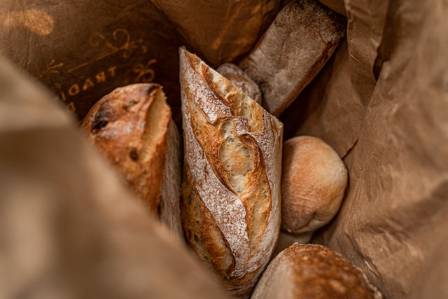
Is Bread a Staple Food? A Deep Dive into Its Importance and Impact
Bread has been woven into the fabric of human civilization for millennia, transcending geographical boundaries and cultural divides to become one of the most ubiquitous foods on the planet. From the crusty baguettes of Paris to the soft naan of New Delhi, from the sourdough loaves of San Francisco to the corn tortillas of Mexico, bread takes countless forms—each reflecting the unique traditions, ingredients, and values of its origin. But beyond its culinary diversity, a fundamental question persists: Is bread truly a staple food? To answer this, we must explore not only its nutritional role but also its historical significance, cultural resonance, economic impact, and evolving place in modern diets. This comprehensive analysis will unpack the multifaceted nature of bread, examining why it has endured as a cornerstone of human sustenance and what challenges (or opportunities) lie ahead for its status as a global staple.
NOTE · en
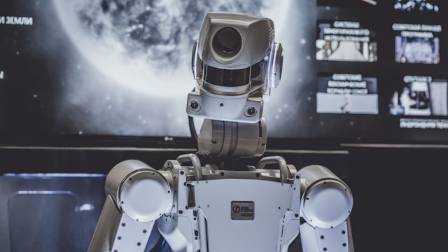
The Evolution of Automation: A History of Robotics from 300 B.C. to 1969
The term "robot" is often associated with modern computing, yet its mechanical foundations stretch back millennia. While contemporary definitions describe a robot as a machine capable of executing complex, automated actions—specifically those managed by a computer—the history of such devices predates the digital age. The word itself was popularized by Karel Čapek in his 1920 play R.U.R. (Rossum’s Universal Robots), replacing the older term "automata." Interestingly, it was not until the 1970s that "robot" definitively surpassed "automaton" in common linguistic usage.