Monday brief
Power of Color Blocking in Pop Art
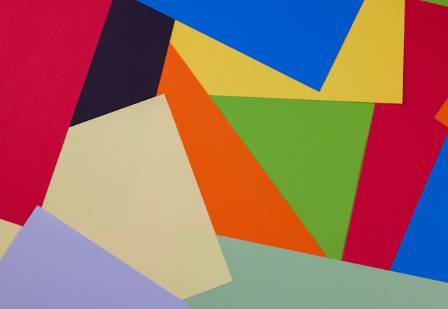
The emergence of Pop Art transformed the art world through its striking colors, dramatic contrasts, and innovative artistic techniques. Among its most recognizable characteristics is color blocking, a visual strategy that simplifies imagery while maximizing impact.
Riley Brooks
Desk note
Brief tip
The full sticky-note brief continues below on the Monday desk.
Board
Desk Notes
The emergence of Pop Art transformed the art world through its striking colors, dramatic contrasts, and innovative artistic techniques. Among its most recognizable characteristics is color blocking, a visual strategy that simplifies imagery while maximizing impact.
By dividing compositions into distinct areas of color, artists create bold and engaging visuals that immediately capture attention. Bright hues and strong contrasts became essential elements of Pop Art, helping ordinary subjects appear fresh and exciting.
Popularized by influential figures such as Andy Warhol and Roy Lichtenstein, color blocking remains highly relevant today. What began as a defining feature of twentieth-century Pop Art has evolved into a powerful tool used in fashion, branding, digital media, and contemporary design.
Understanding Color Blocking in Pop Art
Color blocking is one of the defining techniques of Pop Art because it combines simplicity with visual energy. Rather than relying on intricate details, artists place large sections of contrasting colors side by side to create eye-catching compositions.
This approach allowed Pop artists to transform familiar objects and everyday imagery into powerful visual statements. Through vivid color combinations and simplified forms, artworks seemed to leap off the canvas and demand attention.
The effectiveness of the technique lies in its ability to reduce complexity while maintaining strong visual contrast. As a result, ordinary subjects become memorable and impactful works of art.
The Importance of Color Palettes in Pop Art
Successful color blocking depends heavily on carefully selected color palettes. Bright reds, yellows, blues, and greens are often combined in ways that maximize visual intensity and excitement.
Strong contrasts create energy and movement within a composition. Roy Lichtenstein, for example, developed his signature comic-inspired style by pairing bold primary colors with thick black outlines. His simplified imagery remained visually engaging because of its powerful color relationships.
Similarly, Andy Warhol used large areas of vibrant color in his silkscreen prints, demonstrating how color alone can dramatically influence mood, meaning, and visual appeal.
Why Contrast Matters
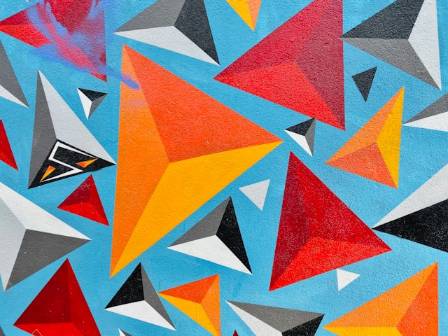
Contrast is at the heart of color blocking and one of the main reasons Pop Art remains so visually compelling. By positioning opposing or complementary colors next to each other, artists create images that immediately attract attention.
Color combinations such as red and green or blue and orange intensify each other's appearance, making every hue appear brighter and more dynamic. This method was frequently used to highlight celebrities, advertisements, comic imagery, and other symbols of popular culture.
The combination of bold color and clear separation creates a visual language that is easy to recognize and highly memorable.
Color Blocking in Contemporary Design
Although rooted in Pop Art, color blocking has expanded far beyond the fine art world. Today it plays an important role in various creative industries.
Graphic Design
Digital designers often use vibrant color combinations to communicate ideas with clarity and simplicity.
Bold typography paired with high-contrast backgrounds creates strong visual hierarchy.
Many flat-design interfaces and modern digital products incorporate color-blocking principles to achieve a clean, contemporary appearance.
Fashion and Textiles
Fashion designers frequently combine unexpected colors to create visually striking outfits.
Large sections of solid color help garments stand out and establish modern trends.
Runway collections regularly feature bold color combinations inspired by Pop Art aesthetics.
Interior Design
Color blocking can define spaces and introduce energy into a room.
Walls, furniture, and decorative accessories are often arranged using contrasting color schemes to create visual interest.
Geometric color arrangements have become popular in both residential and commercial environments.
Advertising and Branding
Brands use color blocking to attract attention and improve recognition.
High-contrast color combinations help logos and advertisements remain memorable.
Packaging, social media graphics, and promotional materials frequently rely on bold color arrangements to stand out in competitive markets.
Because of its flexibility and visual strength, color blocking remains one of the most effective tools in modern visual communication.
Pop Art's Influence on Popular Culture
The influence of color blocking extends far beyond galleries and museums. Advertising, music artwork, fashion campaigns, and digital media continue to embrace the visual language established by Pop Art.
Warhol's colorful portraits of Marilyn Monroe remain among the most recognizable examples of how bold colors can transform a familiar image into an iconic cultural symbol.
Today, the same principles appear in social media graphics, product packaging, and corporate branding. Sharp edges, vibrant hues, and simplified compositions continue to attract audiences across a variety of platforms.
This ongoing presence demonstrates how Pop Art continues to shape contemporary visual culture.
Learning the Art of Color Blocking
Artists and designers interested in color blocking should focus on balancing simplicity with strong visual impact.
A good starting point is selecting a dominant color and pairing it with complementary or highly contrasting tones. Clean divisions between colors are essential, while excessive shading and gradients are typically avoided.
Experimentation is encouraged, as unexpected color combinations often produce the most dynamic results. Through practice, creators can develop their own interpretation of this classic Pop Art technique while adapting it for modern audiences.
Whether applied to traditional painting or digital media, color blocking offers endless opportunities for creating memorable visual experiences.
The Future of Color Blocking
Color blocking continues to evolve alongside advances in technology and design. Modern digital tools provide artists with greater creative freedom, allowing them to explore increasingly innovative color relationships.
From animated advertisements and website interfaces to immersive digital experiences, strong visual contrast remains a valuable way to communicate information clearly and effectively.
As designers continue pushing creative boundaries, color blocking will remain an essential method for producing bold, engaging, and accessible visual content.
Conclusion
The enduring strength of color blocking lies in its ability to transform simple shapes and colors into powerful visual statements. By combining vibrant palettes, clear forms, and dramatic contrast, artists and designers can create imagery that captures attention and leaves a lasting impression.
From its origins in Pop Art to its influence on modern fashion, branding, and digital design, color blocking remains a timeless creative technique. Its ability to communicate ideas with clarity and impact ensures that it will continue to inspire future generations of artists and designers.
More from this board
NOTE · en

Montane Forests of the Southwest
The American Southwest is often imagined as a dry landscape dominated by vast deserts, with only major urban areas such as Phoenix, Tucson, and Albuquerque standing out among the surrounding wilderness. While this perception is partly accurate, the region also contains cooler and wetter environments found at higher elevations, including mountain ranges and elevated plateaus.
NOTE · en
Easy Step-by-step Guide to duck drawing
Ducks are delightful creatures, known for their cheerful quacking and their charming waddle. Drawing ducks can be surprisingly easy and a lot of fun! Whether you want a cute cartoon duck or a more detailed illustration, this step-by-step guide will show you how. Let’s dive in!
NOTE · en

Chongqing's Ultimate Thrill: Raffles City Skywalk
Chongqing is a city unlike almost anywhere else in the world. Often called the “mountain city” or “3D city,” it is built among mountains and waterways, with roads and buildings arranged across dramatically different elevations. After dark, the city becomes an extraordinary display of lights and towering structures that creates a scene difficult to find anywhere else.
NOTE · en
YOUR DIY GUIDE TO DESIGNING A HOME ART STUDIO
Step into an artistic space where imagination paints the universe on a limitless canvas.
NOTE · en
The Joyful Influence of Flowers on Well-being
In the hustle of life's demands and hectic schedules, the simple pleasures that life offers often go unnoticed. Amidst the chaos, vibrant colors, enchanting scents, and the silent beauty of flowers have the remarkable ability to offer solace and relaxation. Flowers, unbeknownst to many, possess the power to illuminate even the darkest of days, providing a respite from stress and invoking a sense of happiness.
NOTE · en
What Bibimbap Means and Why It’s Special
Bibimbap is a traditional Korean dish whose name comes from two parts: “bibim,” meaning mixing, and “bap,” meaning rice. The concept is simple but layered—rice is combined with seasoned meat and a variety of vegetables that may be sautéed, blanched, fermented, or pickled.